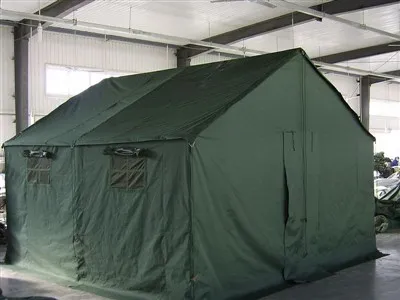
Step0: Check
Before cleaning, set up the tent first, so that it is convenient to wait for the cleaning of the tent, and you can also check the inner and outer accounts, as well as whether there is any loss or missing accessories. Check before maintenance and storage, to avoid being caught off guard when it is used the next year.
Step 1: Clean
First of all, remember: do not wash in the machine! Outdoor tents are usually coated with water or glue, and washing in the machine will completely damage the tent. The trick is to pull the outer tent and gently shake it so that the dust on the tent can be shaken off.
Use warm water and a non-alkaline detergent to wipe the tent with a wet sponge. Never use a brush or other hard object to clean the tent, which will damage the waterproof coating of the outer tent and destroy its waterproofing.
The stakes and poles should also be cleaned carefully. Wash off the mud, grass, dust, bugs and other dirt attached to them. In particular, the joints and gaps need to be cleaned carefully, otherwise dry soil or gravel may affect the normal use of the tent and shorten its life.
Step 2: Dry in the sun
After each use, the tent must be thoroughly dried before storage. Drying should not involve direct sunlight; instead, it should be done in a well-ventilated area to ensure proper air circulation. Never dry your tent in a dryer or use a hairdryer, as this can reduce its lifespan. This is especially important for the fabric strips, which are harder to dry compared to the inner and outer tents. If not dried properly, they can become moldy.
Step 3: Storage
The storage tent should be rolled up along with the structure of the tent and stored separately. Do not stack heavy objects on it. Put it in a ventilated and dry place for easy use next time. If possible, take it out occasionally to check whether there is mold growth and spread it out to air and dry.
When storing a tent, avoid folding it; instead, roll it up. Repeated folding or prolonged pressure can damage the coating and seal, compromising the tent's waterproofing and potentially damaging the tent itself. Additionally, store the tent away from heat sources, such as home heating in winter or attic areas of buildings in summer (where rising heat is not conducive to storage), to prevent changes in the fabric due to high temperatures.